Top 10 Ready To Ship Gear Motors for Global Buyers?

Time:2026-06-23 Author:Oliver
0%

In today's fast-paced manufacturing environment, the demand for "Ready To Ship Gear Motors" is on the rise. These motors play a crucial role in various applications, from robotics to conveyor systems. According to a recent report by the Global Gear Motor Institute, the market for gear motors is projected to reach $5 billion by 2025, reflecting a compound annual growth rate of 6.5%. This growth highlights the increasing reliance on efficient and readily available components.

Industry expert Dr. Alex Johnson emphasizes, "The ability to access Ready To Ship Gear Motors ensures minimal downtime and maximizes productivity." His insight underscores the importance of having these motors in stock, allowing businesses to respond quickly to their operational needs. However, a challenge remains. Not all suppliers maintain quality control consistently, leading to potential issues in performance. As buyers, thorough research is essential.

While the advantages of Ready To Ship Gear Motors are clear, attention to detail cannot be overlooked. Variations in specifications and compatibility can lead to misalignments during installation. Therefore, engaging with reputable suppliers and understanding their offerings is vital. This approach can safeguard against unexpected delays and inefficiencies in production lines.
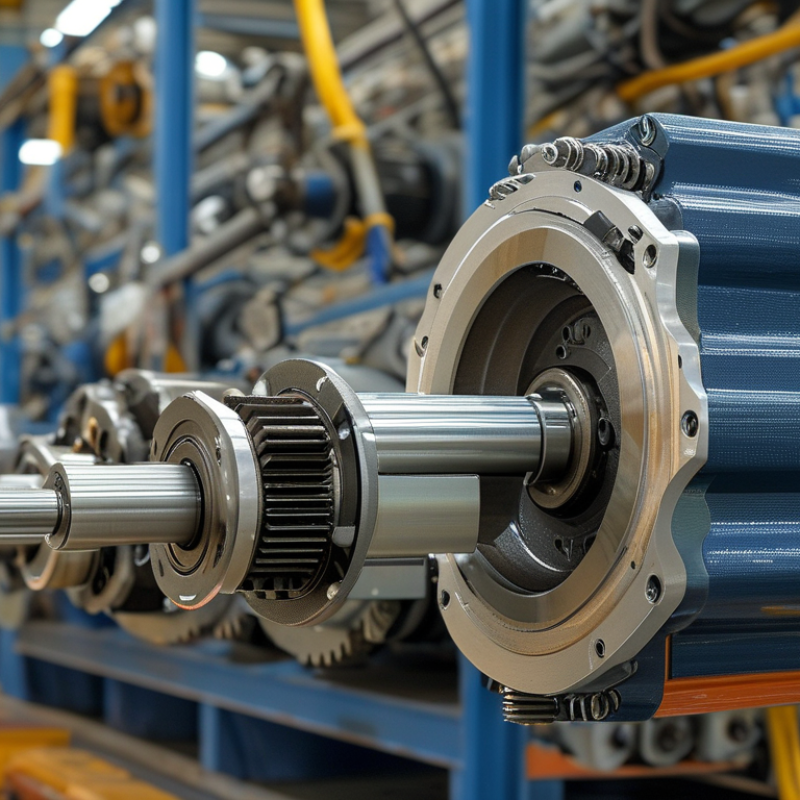
Top 10 Ready To Ship Gear Motors for Global Buyers?

Top 10 Gear Motors Ready to Ship: An Overview of Key Players

When looking for gear motors ready to ship, it’s essential to understand the landscape. The market hosts a variety of manufacturers. Each offers unique features and capabilities. Buyers should focus on motors that align with their operational needs.

Consider the type of application. For heavy machinery, choose robust motors with high torque. If energy efficiency is crucial, look for models that prioritize low power consumption. This approach will optimize both performance and cost. Size also matters. Ensure the motor fits within your space constraints.

Tips: Always check the delivery terms. A quick shipping option can greatly reduce downtime. Don’t overlook after-sales support. Reliable customer service is vital when issues arise. Lastly, reevaluate the specifications after initial assessments. Adjustments might be necessary to meet evolving demands. Analyzing user reviews can provide insights into potential flaws or benefits. Using these tips can enhance your purchasing experience.

Understanding Gear Motor Specifications: Torque, Speed, and Efficiency

When selecting gear motors, understanding specifications is vital. Torque, speed, and efficiency are key factors. Torque measures the motor's ability to perform work. High torque is crucial for heavy loads. This makes the design of the gears essential. The right gear ratio can radically change performance.

Speed is another significant specification. It defines how fast the motor operates. For applications needing quick response, higher speeds are preferred. However, high-speed motors may sacrifice torque. Balance is critical.

Efficiency reflects how well a motor converts energy. This is often measured in percentage. A more efficient motor uses less energy for the same output. However, achieving high efficiency can be complex. Sometimes, a motor with lower efficiency might better suit specific needs. Each application is unique, requiring careful analysis of these factors for optimal selection.

Market Trends: Demand for Gear Motors in Various Industries

The demand for gear motors is rising across various industries. Their versatility makes them essential in production lines, robotics, and automotive applications. Companies look for gear motors that can deliver reliability while maintaining efficiency. This trend reflects a broader industrial push towards automation and smart technologies.

Manufacturers are under pressure to innovate. Finding the right gear motor can be challenging. Sometimes, a motor may not meet specific torque or speed requirements. Understanding your needs is crucial. Before purchasing, evaluate scenarios where the motor will be applied. Testing under real conditions can reveal unexpected issues.

Tips: Always check for compatibility with existing equipment. Consider energy efficiency ratings, as they can impact long-term costs. Engage with suppliers to discuss your specific needs. This dialogue can uncover valuable insights that help you make better choices. Remember, even small misalignments in specifications can lead to significant performance issues. It's better to ask questions upfront than to regret a purchase later.

Top 10 Ready To Ship Gear Motors for Global Buyers

Motor Type Power (W) Torque (Nm) Voltage (V) Speed (RPM) Applications
AC Gear Motor 500 1.5 110 1500 Conveyor Systems
DC Gear Motor 250 2.0 24 3000 Robotics
Servo Gear Motor 1000 0.8 48 5000 Industrial Automation
Planetary Gear Motor 750 3.5 230 2000 Wind Turbines
Stepper Gear Motor 300 1.2 12 600 3D Printing
Synchronous Gear Motor 600 2.5 120 1500 Beverage Industry
Brushless DC Motor 400 1.0 24 8000 Electric Vehicles
AC Induction Motor 1000 4.0 380 1450 Pumps and Compressors
Geared Brush Motor 150 0.6 48 2500 Agricultural Machinery
Low Voltage Gear Motor 200 1.8 12 3500 Home Appliances

Evaluation Criteria for Selecting Gear Motors: Quality and Reliability

When selecting gear motors, quality and reliability are essential. Buyers should focus on materials and craftsmanship. A motor made from durable metals often performs better. Pay attention to design flaws that may impact longevity. Small issues can lead to significant setbacks later.

Performance under load is another critical factor. A reliable gear motor should maintain its efficiency, even under stress. Testing motors in real-world conditions is beneficial. If a motor fails to meet expectations, it's important to evaluate why. Not all specifications tell the entire story.

Moreover, supplier reputation plays a crucial role. Consider feedback from previous users. An experienced supplier can provide valuable insights and support. Reliability doesn't come from just one factor; it's a combination of many. Making an informed choice can save time and resources in the long run. Reflecting on these aspects will lead to better decisions.

Global Supply Chain Dynamics Affecting Gear Motor Availability

Global supply chain dynamics have profoundly impacted gear motor availability. According to a report from the World Bank, supply chain disruptions have increased lead times by 20-40%. These changes stem from various factors, such as pandemic effects and geopolitical tensions. Companies face challenges in sourcing materials on time, creating inconsistencies in production schedules.

Data from industry analyses indicate that 30% of manufacturers have reported delays due to these issues. As a result, buyers must remain flexible regarding delivery times. Fluctuating demand also contributes to inventory shortages, making planning difficult. In the past year, gear motor demand surged, exacerbating existing challenges.

Inventory management strategies are now crucial. Companies are re-evaluating their procurement processes to mitigate risks. Partnerships with reliable suppliers could provide more stability. Nevertheless, reliance on a limited number of suppliers might create vulnerabilities. The need for diversification in sourcing channels is evident. As markets continue to fluctuate, staying informed is imperative for global buyers.

FAQS

: What should I consider when selecting a gear motor?

: Focus on application type, torque, speed, and efficiency needs.

Why is torque important in gear motors?

Torque measures the motor's capability to perform work, especially for heavy loads.

How does speed affect motor performance?

Speed defines how fast the motor operates, impacting response time in applications.

What role does efficiency play in choosing a motor?

Efficiency shows how effectively a motor converts energy, affecting long-term operating costs.

Why is it essential to analyze specifications before buying?

Each application is unique, and misalignments in specs can cause performance issues.

How can user reviews assist in the purchasing process?

Reviews provide insights into potential flaws or benefits of specific gear motors.

What should I do if the motor does not meet initial specs?

Reevaluate specifications and adjust your needs to match changing demands.

Why is after-sales support important?

Reliable customer service helps resolve issues that may arise during usage effectively.

How can I test a motor before purchasing?

Conduct real condition tests to identify any unexpected issues.

How can I ensure compatibility with existing equipment?

Engage with suppliers to discuss specific needs and confirm compatibility before buying.

Conclusion

The article "Top 10 Ready To Ship Gear Motors for Global Buyers" provides an insightful overview of essential gear motor specifications, including torque, speed, and efficiency, which are critical for various industrial applications. It highlights the growing demand for Ready To Ship Gear Motors across diverse sectors, driven by the need for quick delivery and operational efficiency.

Additionally, the discussion covers market trends influencing gear motor availability and delves into evaluation criteria for selecting high-quality and reliable gear motors. With the complexities of global supply chain dynamics, understanding these elements is crucial for buyers seeking optimal solutions in gear motors that meet their operational needs effectively.

Oliver

Oliver

Oliver is a seasoned marketing professional with a wealth of expertise in driving brand awareness and engagement. With a deep understanding of our company's product offerings, he consistently delivers high-quality content that enriches our professional blog. His insights not only shed light on......