TeTe Motor
In today's rapidly evolving market, finding the best motor application solutions is crucial for global buyers. Motor applications span various industries. They play an essential role in automation, renewable energy, and transportation. Understanding the specific needs of these sectors enhances efficiency and productivity.
Many manufacturers claim to offer top-notch solutions. However, not all approaches are effective. Businesses must assess quality and compatibility. This assessment often uncovers challenges. Selecting the right motor application can lead to significant operational improvements. Yet, misalignment could lead to costly setbacks.
Buyers face an overwhelming array of options. It's easy to feel lost in choices. However, with proper knowledge and guidance, decisions become clearer. Engaging with experts can provide deeper insights. This engagement helps in making informed choices. Thus, ensuring the chosen motor application meets industry demands effectively.
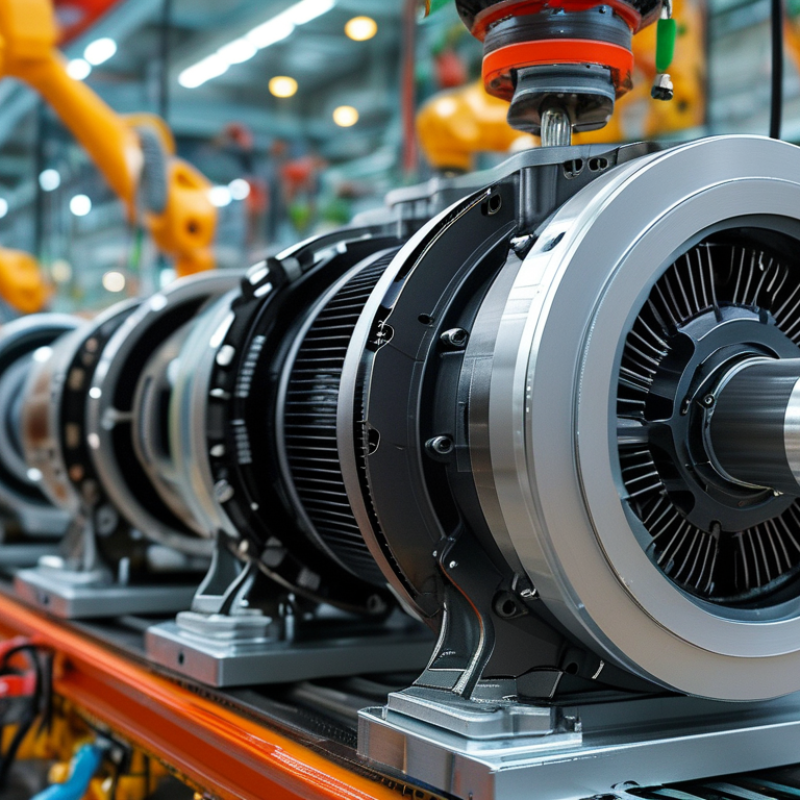
Motor application solutions are crucial for global buyers seeking reliability and efficiency. These solutions range widely. Factors like power requirements, environmental conditions, and operational flexibility play integral roles. Understanding these elements ensures you make informed decisions.
When exploring motor applications, consider your specific needs. Different industries demand distinct performance characteristics. For example, a motor for renewable energy may differ from one used in manufacturing. Tailoring your choice to the application enhances effectiveness.
Tips: Examine energy efficiency. This can lead to cost savings over time. Evaluate the motor's lifecycle. Short-term gains may overshadow long-term reliability.
Keep in mind the importance of supplier expertise. A knowledgeable partner ensures you avoid common pitfalls. Assessing shared experiences can guide your decision-making process. It’s essential to engage with suppliers who prioritize ≤transparency and technical support.
When selecting motor application solutions, understanding the specific requirements of your project is crucial. Different applications may demand different performance specifications. For instance, high torque and speed might be essential for industrial machines, while energy efficiency can be more critical for consumer electronics.
Additionally, consider the environmental impact of your choice. Efficiency ratings and material sustainability are becoming increasingly relevant. Diverse operational conditions must also be factored in. Motors exposed to high temperatures or humidity require special considerations.
Collaboration with experienced engineers can enhance the selection process. Providing detailed usage scenarios allows for optimized choices. Manufacturers with a transparent policy on testing and certification can foster trust and reliability. It's worth reflecting on the long-term implications of your selection on both performance and maintenance needs.
The use of motor applications spans across various industries worldwide, showcasing their versatility. In the manufacturing sector, motors drive conveyor belts and machinery. They enhance efficiency, yet maintenance can sometimes be overlooked. Neglecting regular checks may lead to unexpected downtime, which can be costly.
In the automotive industry, motors power electric vehicles, contributing to greener alternatives. Their design is critical for performance. However, achieving a balance between power and efficiency remains a challenge. Engineers continually assess battery life and motor weight to optimize vehicle function.
The agricultural sector is also embracing motor applications, utilizing them in automated equipment. These advancements increase productivity but can create dependency on technology. If a motor fails, it could disrupt operations significantly. Understanding the potential risks is essential for all industries involved with motor applications.
| Industry | Application Type | Motor Type | Power Range (kW) | Region |
|---|---|---|---|---|
| Manufacturing | Conveyor Systems | AC Induction Motor | 5 - 200 | North America |
| Automotive | Electric Vehicles | Permanent Magnet Motor | 20 - 300 | Europe |
| Food Processing | Mixing Equipment | Gear Motor | 1 - 15 | Asia Pacific |
| Aerospace | Actuators | Brushless DC Motor | 0.5 - 10 | North America |
| HVAC | Fan and Blower Systems | Variable Speed Motor | 2 - 100 | Global |
Innovative technologies in motor applications are transforming industries worldwide. Advances in automation and IoT integration are leading this change. Electric motors are becoming more efficient, reducing energy consumption and operational costs. Smart sensors now enable real-time monitoring, enhancing performance and longevity.
However, these innovations come with challenges. Integrating new technologies can be costly and complex. Companies must train staff to adapt to these advancements. This learning curve can slow initial implementation.
Additionally, the rapid pace of technological change may render some solutions outdated quickly. Buyers need to consider long-term viability when investing.
Sustainability is another important factor. Eco-friendly motor designs are gaining traction, yet they often require a shift in mindset. Companies must evaluate their processes and materials for a greener footprint.
Innovating responsibly ensures that motor solutions meet current needs without compromising future generations. Engaging with experts in motor application solutions can provide valuable insights to navigate these complexities effectively.
In the evolving landscape of motor application solutions, several trends are shaping the future for global buyers.
The demand for energy-efficient motors is increasing, reflecting a growing concern for sustainability. Reports indicate that the global electric motor market could reach $210 billion by 2025, driven by advancements in technology.
This shift towards smart motor solutions allows for better performance monitoring and energy savings.
As buyers look for efficient solutions, integrating IoT technology in motor applications becomes crucial. IoT-enabled motors provide real-time data, improving operational efficiency and reducing downtime.
A recent study highlighted that companies adopting smart motor technologies reported a 15% increase in productivity.
However, many buyers face challenges in understanding how to properly implement these innovations.
Tips: Ensure proper training for your team on new technologies.
Knowledge gaps can hinder the full potential of these solutions.
Another consideration is evaluating compatibility with existing systems to avoid additional costs.
Remember, embracing change might not always be seamless. Reflecting on past implementations can help in making informed decisions moving forward.
: They provide reliability and efficiency for various applications and industries.
Consider power requirements, environmental conditions, and operational flexibility specific to your needs.
Different industries have distinct performance characteristics. Tailoring your choice enhances effectiveness.
Energy efficiency leads to cost savings over time and impacts long-term reliability.
A knowledgeable supplier helps avoid common pitfalls and provides essential technical support.
Efficiency ratings and material sustainability are increasingly relevant in today's marketplace.
They can help optimize choices by understanding detailed usage scenarios.
Long-term performance and maintenance needs can vary significantly based on your choice.
Transparent policies on testing and certification foster trust and reliability in the selection process.
Motors in extreme temperatures or humidity need special considerations for effective performance.
The article "Best Motor Application Solutions for Global Buyers" provides a comprehensive overview of the diverse motor application solutions available to buyers worldwide. It emphasizes the importance of understanding key factors such as efficiency, compatibility, and cost-effectiveness when selecting motor solutions. Various industries, including manufacturing, automotive, and renewable energy, are highlighted for their significant utilization of these applications, showcasing the broad impact of motor technologies.
Furthermore, the piece explores innovative technologies shaping the future of motor applications, such as advancements in AI and IoT integration. As industries evolve, future trends suggest a growing emphasis on sustainability and automation in motor application solutions, prompting buyers to stay informed and adaptable to these changes. Overall, this article serves as a valuable resource for global buyers seeking the best motor application solutions tailored to their specific needs.
